Website Translation and Localisation Services for UK Businesses
A translated website is one of the most effective investments a UK business can make when expanding into international markets. Research consistently shows that consumers are significantly more likely to purchase from a website in their own language, and more likely to trust and return to a brand that communicates in their native tongue. Global LTS provides professional website translation services for UK businesses across all industries, covering over 120 languages, with human translators who have sector-specific knowledge. ISO 17100:2015 certified. Get in touch for a free quote.
120+ Languages. Human Translators. ISO 17100 Certified.
Machine translation tools have improved significantly in recent years, but they remain unsuitable as the sole translation method for any website where quality, trust, or conversion matters.
The limitations are practical: machine translation handles literal meaning but struggles with idiomatic expressions, tone, brand voice, and industry-specific terminology. A product description, a service page, or a landing page translated by machine often reads as unnatural to a native speaker — and that signals immediately to a visitor that the business has not invested in serving them properly.
For websites with SEO objectives, machine-translated content carries an additional risk. Search engines can identify low-quality, auto-generated content and suppress it in rankings. A multilingual website built on human-translated, naturally written content in each target language is the foundation for genuine multilingual organic search performance.
Global LTS provides website translation using professional human translators who work exclusively into their native language and have relevant industry knowledge. All projects use MemoQ translation memory to ensure terminology is applied consistently across every page, and between projects over time.
Website Content We Translate
Marketing and sales pages — homepage copy, service and product pages, campaign landing pages, and about us content. These pages require translators who understand brand voice and can adapt marketing copy so it reads naturally in the target language, not as a literal translation of English.
E-commerce — product titles, descriptions, category pages, checkout copy, and customer-facing emails. E-commerce translation requires both linguistic accuracy and an understanding of how consumers in the target market expect product information to be presented.
Technical and product documentation — user guides, FAQs, support articles, and knowledge bases hosted on or linked from the website.
Legal and compliance pages — privacy policies, terms and conditions, cookie notices, and regulatory disclosures. These require precise, accurate translation with no ambiguity.
Blog and content — for businesses running multilingual content marketing or SEO strategies, translated and localised blog content in each target language.
How We Ensure Quality
Native-language translators — all translators work into their native language. We do not use translators working out of their first language for any client-facing content.
Industry-specific expertise — translators are matched to projects based on sector knowledge. A website for a medical device manufacturer is translated by a translator with medical expertise; a financial services website by a translator with financial industry background.
Translation memory — we use MemoQ translation memory on all website projects. This stores previously translated segments and applies them consistently when the same or similar content appears again. For businesses with large websites or ongoing content requirements, this ensures terminology consistency across all pages and produces cost savings on repeat or updated content.
Revision process — all translations are reviewed by a second qualified linguist before delivery, in line with our ISO 17100:2015 certified process.
Terminology glossaries — for businesses with specific brand terminology, product names, or technical vocabulary, we build and maintain a project glossary that ensures every translator on the project uses the agreed terms consistently.
How Our Website Translation Process Works
1. Scope and brief We review your website, agree on the target languages and markets, and clarify any brand or tone-of-voice requirements before work begins. If you have existing terminology or a brand glossary, we incorporate it from the start.
2. Glossary and translation memory setup We build a project-specific terminology glossary and set up your translation memory in MemoQ. This ensures consistent terminology across every page of your site and across future updates.
3. Translation by native-speaking specialists Each language is handled by a native speaker with relevant sector knowledge, working exclusively into their first language. We do not use bilingual translators working out of their native language for client-facing content.
4. Editorial review A second qualified linguist reviews the translation for accuracy, fluency, and consistency with the glossary and style brief. This is standard on every project, in line with our ISO 17100:2015 certified process.
5. Delivery in your preferred format We deliver in the format your CMS requires. XLIFF for WPML or Polylang, CSV or Excel for Shopify or custom platforms, or directly formatted files ready for upload. We can advise on the best import workflow for your setup.
Multilingual SEO and Hreflang
Translating a website’s content is only part of making it perform in international search. For a multilingual website to rank in search engines in each target language and country, it also needs the correct technical SEO implementation.
Hreflang tags tell search engines which version of a page to serve to users in each language and country. Without hreflang implemented correctly, search engines may serve the wrong language version to users, or treat translated pages as duplicate content — suppressing them in rankings rather than indexing them as separate language-targeted pages.
URL structure — multilingual websites should use a consistent URL structure for language versions. The main options are subdirectories (global-lts.com/fr/ for French), subdomains (fr.global-lts.com), or separate country domains (global-lts.fr). Each has different SEO implications. Subdirectories are generally recommended for businesses without strong country-specific domain requirements, as they consolidate domain authority.
Localised meta titles and descriptions — translated page content should always be accompanied by translated and locally relevant meta titles and descriptions. Translated meta tags that are locally optimised for search behaviour in the target market — rather than direct translations of English meta tags — improve click-through rates from search results pages in each language.
Keyword research for each market — the keywords that users search for in French, German, or Spanish are not always direct translations of English keywords. Search behaviour differs between markets. For businesses with serious multilingual SEO objectives, keyword research in each target language is a separate step from translation.
Global LTS handles the translation and localisation layer. For hreflang implementation and technical multilingual SEO work, we recommend working with your web developer or SEO specialist alongside our translation team to ensure both layers are correctly in place.
CMS and Platform Compatibility
WordPress — WordPress websites typically use the WPML or Polylang plugin to manage multilingual content. These plugins create language versions of each page within the same WordPress installation and handle hreflang output automatically when configured correctly. We can work with content exported from WPML in XLIFF format for translation and returned for import, or with content provided directly in any format.
Shopify — Shopify’s built-in translation functionality (Shopify Markets) and third-party apps such as Langify or Weglot allow translated content to be managed within the Shopify admin. We translate Shopify store content — product listings, collection pages, checkout copy, and email notifications — in formats compatible with import into these tools.
Webflow — Webflow’s native localisation feature (Webflow Localization) supports multilingual sites built within the Webflow CMS. We can work with content exported from Webflow for translation and prepared for import.
Other platforms — for websites built on HubSpot, Squarespace, or custom-built platforms, we work with content in Excel, CSV, or XLIFF format depending on what the platform supports. Contact us to discuss your specific platform setup.
Case studies for Technical Translation
[/vc_column_text][/vc_column][/vc_row]
Category: Technical Translation
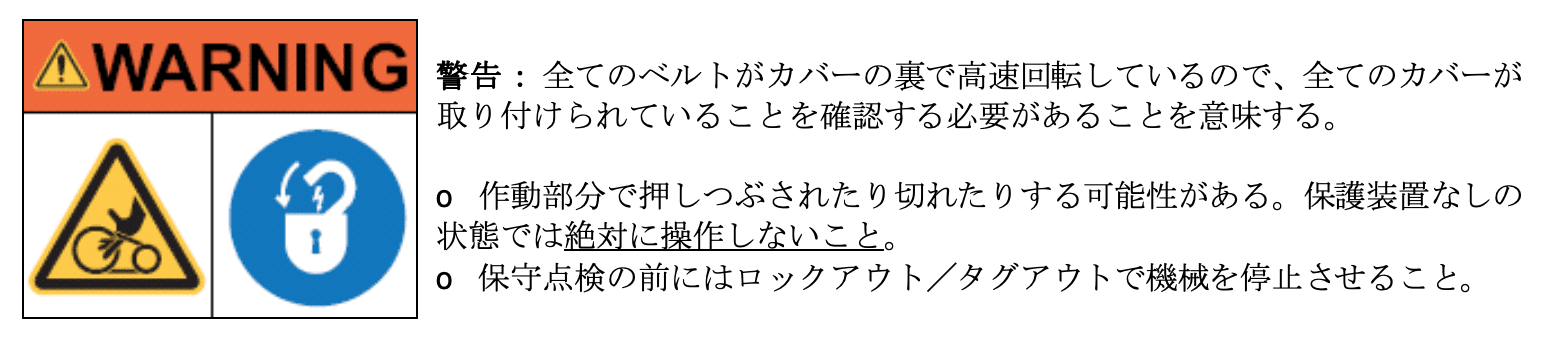
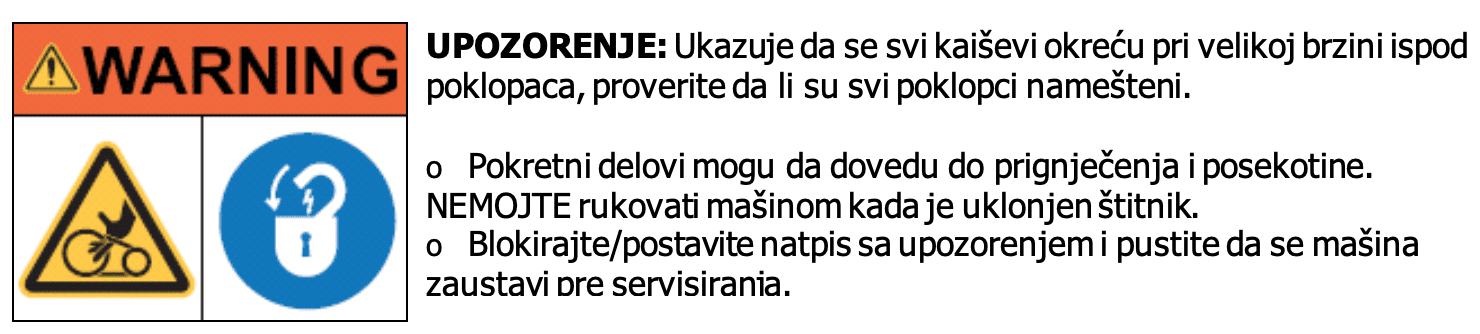
Description: User Guide Manual Translation
Client: Sinclair International
Size of project: Translation of 4 user manuals into Japanese, Serbian and Spanish
Sinclair International specialise in fruit labelling machines and solutions.
We’ve been working with Sinclair since 2013. On this occasion, we translated 4 documents covering how to use their equipment.
Category: Technical Translation
Description: Technical Drawings Translation
Client: Airborne Systems
Size of project: 36 drawings
Airborne Systems specialise in the design and manufacturing of military parachutes. We’ve worked with them since 2010 and continue to provide specialist translation services for their technical documentation that is used in tender processes.
Category: Technical Translation
Description: Marketing Presentation and Datasheets
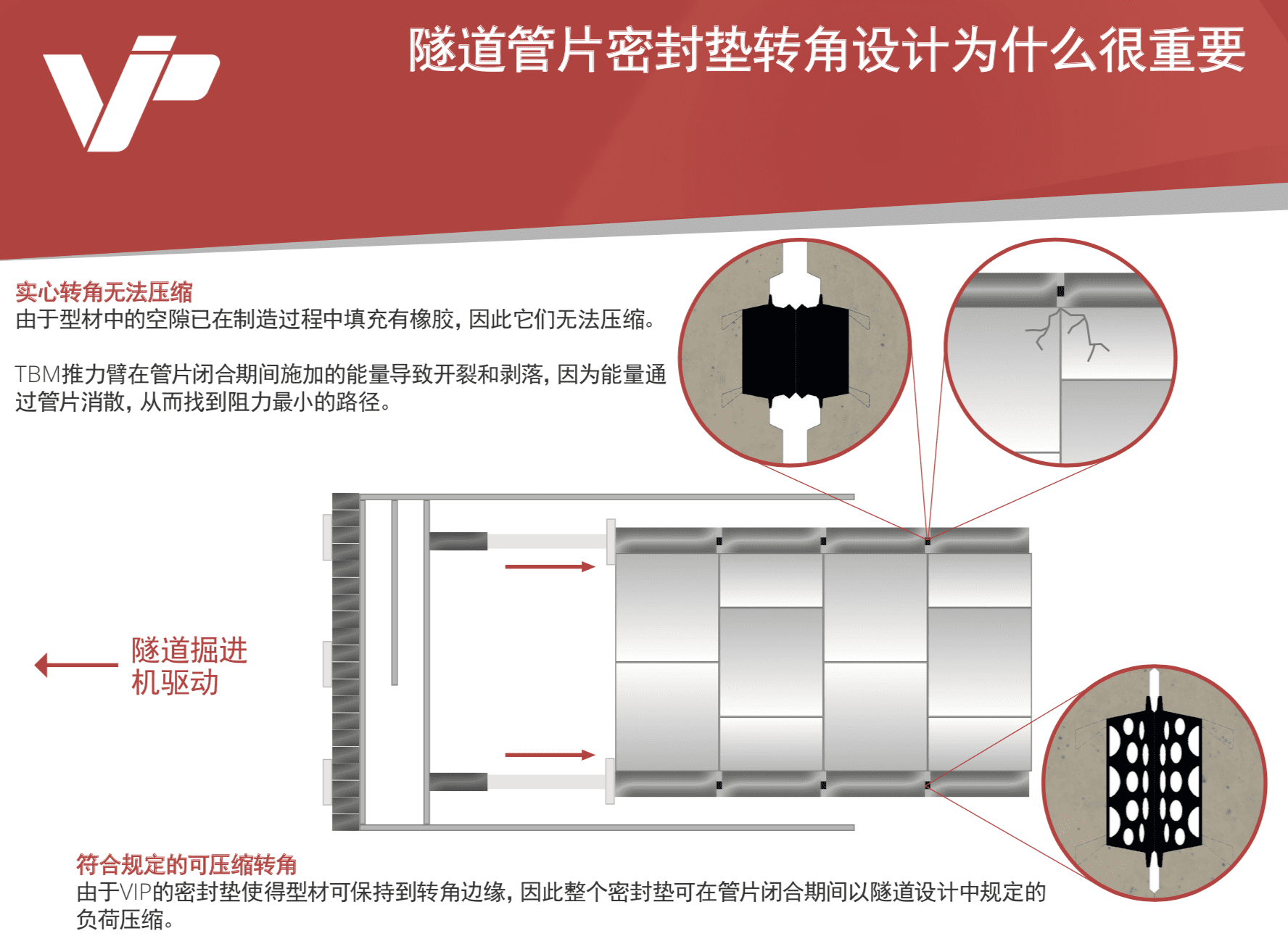
Client: VIP Polymers
Size of project: Full marketing presentation and associated datasheets
We are VIP-Polymers, the World Class provider of Globally approved sealing gaskets established in 1923.
On this occassion, we have translated their marketing presentation from English into Simplified Chinese. In addition, we have typeset their datasheets, so they were ready for publication.
Category: Technical Translation
Description: Legal letters relating to the space industry
Client: Hughes Network Systems
Size of project: Ongoing translation
Hughes Network Systems is the global leader in broadband satellite technology and services for home and office.
We help them with communication with their global partners and countries by providing legal translation services on technical product.