Machine Translation Post-Editing (MTPE): When AI Translation Needs a Human Expert
Key Takeaways
- Machine translation tools like DeepL, Google Translate, and Microsoft Translator produce fast, low-cost output but consistently generate errors that are invisible to non-speakers of the target language.
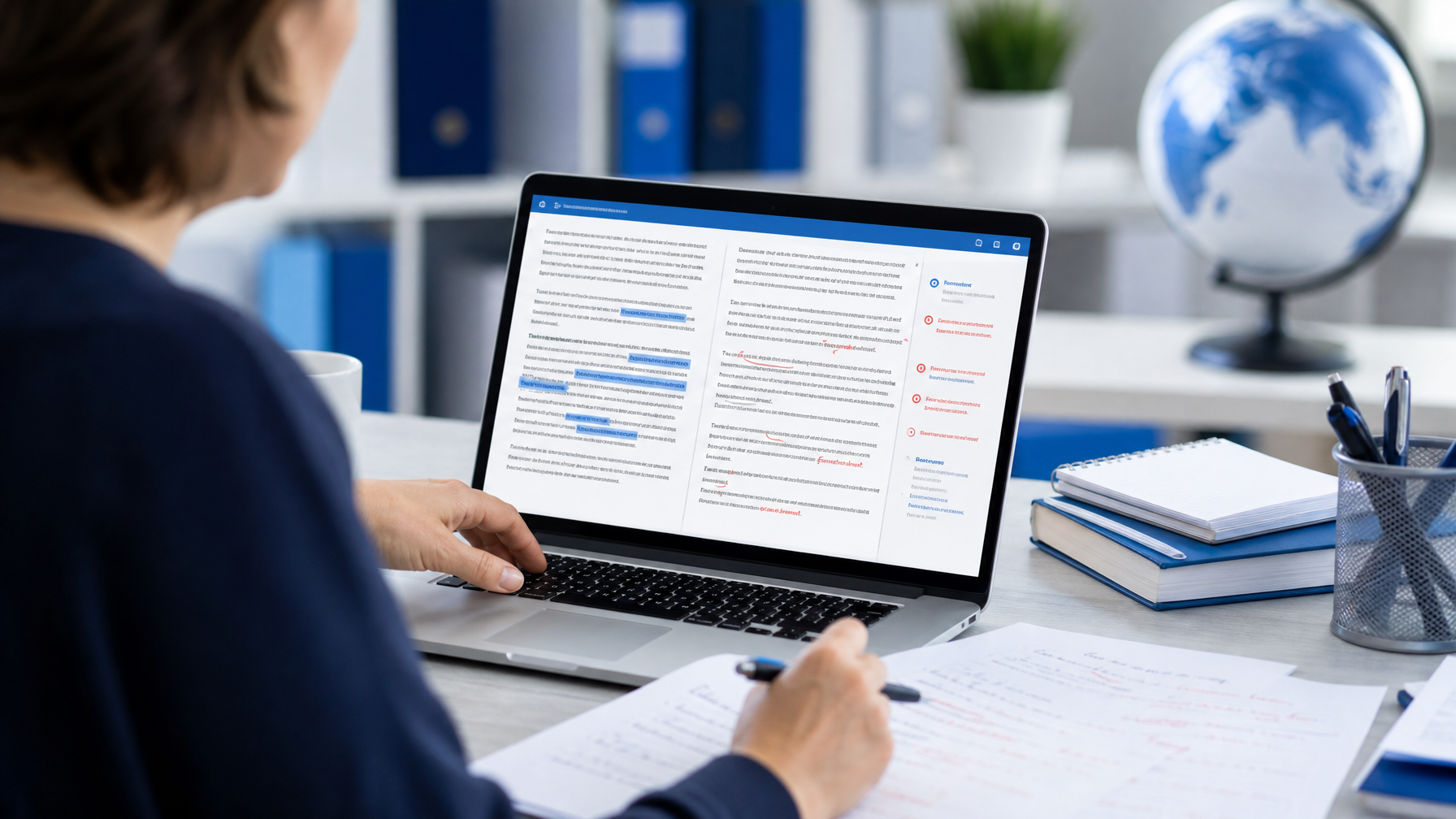
- Machine Translation Post-Editing (MTPE) is the process of having a qualified human linguist review, correct, and refine machine-translated content to a defined quality standard.
- Light post-editing corrects critical accuracy errors and is appropriate for internal reference content. Full post-editing brings output up to human translation standard and is required for published, client-facing, or regulated documents.
- MTPE is not a shortcut that bypasses quality. It is a structured quality workflow that combines the speed of AI with the accuracy and cultural competence of a native expert reviewer.
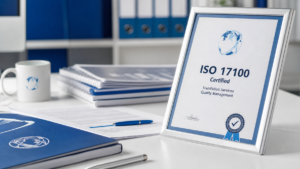
- ISO 17100:2015 does not currently recognise raw machine translation output as a compliant translation workflow. MTPE with qualified human review is required for documents needing certified translation status.
The rise of AI translation tools has fundamentally changed how businesses approach multilingual content. DeepL, Google Translate, Microsoft Translator, and a growing number of large language model-based translation engines now produce output that is, in many cases, broadly comprehensible.
Table of Contents
ToggleHowever, broad comprehensibility is not the same as accuracy. For internal communications or rough reference purposes, machine translation is often sufficient. For published content, regulated documents, client-facing materials, or anything where a mistranslation carries legal, commercial, or reputational consequences, raw machine translation output requires expert human review before use.
That process is called Machine Translation Post-Editing, and understanding when and how to apply it is one of the most commercially important decisions a multilingual business can make.
What Machine Translation Gets Wrong
AI translation engines have improved significantly, but they fail in predictable, consistent ways.
Terminology errors in specialist fields. Machine translation engines are trained on general web text. Legal, medical, technical, and financial terminology requires precise, context-specific choices that general training data does not reliably produce. A machine translator may correctly translate the English word "consideration" into its dictionary equivalent in German without understanding that in a contract law context, "consideration" is a specific Common Law concept that does not have a direct German legal equivalent.
Omitted negations. MT engines occasionally drop or misplace negations, particularly in complex multi-clause sentences. An instruction that reads "do not apply pressure to the valve" becoming "apply pressure to the valve" in translation is the kind of error that passes a fluency check but carries serious consequences.
Incorrect grammatical gender and agreement. In French, German, Spanish, Italian, and many other languages, nouns carry grammatical gender that must agree with associated adjectives, articles, and pronouns. MT engines make gender agreement errors, particularly when translating product names, technical terms, or proper nouns that do not appear in standard training data.
Unnatural syntax and register. Machine translation often produces grammatically correct but unnatural sentences. In German, MT frequently produces overly literal word order that native speakers find awkward. In Japanese, MT rarely handles the formal register distinctions correctly for business communications.
Cultural inappropriateness. Idiomatic expressions, brand voice, humour, and culturally specific references rarely survive machine translation intact. A marketing headline that works brilliantly in English often produces something flat, confusing, or unintentionally comic in another language.
Light Post-Editing vs. Full Post-Editing
Not all machine-translated content requires the same depth of review. The appropriate post-editing level depends on the content's purpose and audience.
Light post-editing focuses on correcting factual errors, mistranslations, and critical grammar issues without necessarily improving stylistic fluency. The goal is accuracy rather than elegance. This is appropriate for internal reference documents, e-discovery file review, and content where the primary requirement is that the meaning is clear and correct.
Full post-editing brings machine-translated output up to the standard expected of a human translation. The reviewer addresses accuracy, natural fluency, terminology consistency, tone, register, and cultural appropriateness. This is required for any content that will be read by external audiences, submitted to regulatory bodies, published on a website, or used in client-facing communications.
When MTPE Is Not Appropriate
MTPE is not always the right tool. For highly regulated documents, certified translations, complex legal contracts, or content where brand voice is critical, commissioning a full human translation from the outset under ISO 17100:2015 standards typically delivers better results at a comparable cost. The time spent correcting extensive MT errors in specialist content can exceed the time a qualified human translator would have taken to produce a clean translation.
A specialist translation partner can advise on whether MTPE or full human translation is more appropriate for a specific project, based on the document type, language pair, subject matter, and intended use.
Post-Editing for Regulated and Certified Documents
ISO 17100:2015 does not recognise raw machine translation as a compliant production workflow. For documents requiring certified translation status and a formal Certificate of Accuracy, such as those submitted to UKVI, courts, regulatory authorities, or government bodies, the translation must be produced or thoroughly reviewed by a qualified human linguist under an ISO-compliant workflow.
If you have machine-translated content that needs to reach certified standard, full post-editing by a qualified specialist followed by independent revision and certification is the appropriate route. Learn more about our certified translation services.
Get Expert MTPE and Translation Proofreading
Global LTS provides ISO 17100:2015 certified translation proofreading and MTPE services across 120+ languages. Our post-editing team combines native linguistic expertise with subject-matter credentials to deliver accurate, publication-ready reviewed content.
To discuss your MTPE requirements or request a free quote, contact our team today or visit our translation proofreading services page.